
Discover why relying on downstream filtration for heavy-duty hydrogen loops is a multi-million-dollar gamble, and how API-618 Class 0 engineering protects your reactor’s most expensive assets.
Published by Extreme Engineering Authority | Technical Depth: Advanced | Est. Read Time: 15 mins
In the elite echelons of petrochemical refining, specifically within heavy-oil hydrocracking and hydrodesulfurization (HDS) units, the chemical reactor is the unquestionable profit center of the entire plant. Inside these massive high-pressure vessels, complex hydrocarbon chains are broken down and purified using highly sensitive, incredibly expensive noble metal catalysts. As leading heavy-duty process compressor engineers at oxygen-compressor-machine.com, we frequently witness EPC contractors and plant operators underestimate the single greatest threat to these assets: hydrocarbon catalyst poisoning originating from the make-up or recycle compressor.
For facility procurement executives and process engineers, specifying a hydrogen compressor is not merely about achieving a 55-bar discharge pressure; it is about guaranteeing absolute, uncompromised gas purity. The introduction of even microscopic vapor-phase lubricating oil into a hydrogen stream will permanently blind reactor catalysts. This authoritative guide dissects the micro-chemistry of catalyst fouling, exposes the financial avalanche of unplanned downtime, and outlines the rigorous API-618 Class 0 mechanical architecture required to eradicate this risk entirely.
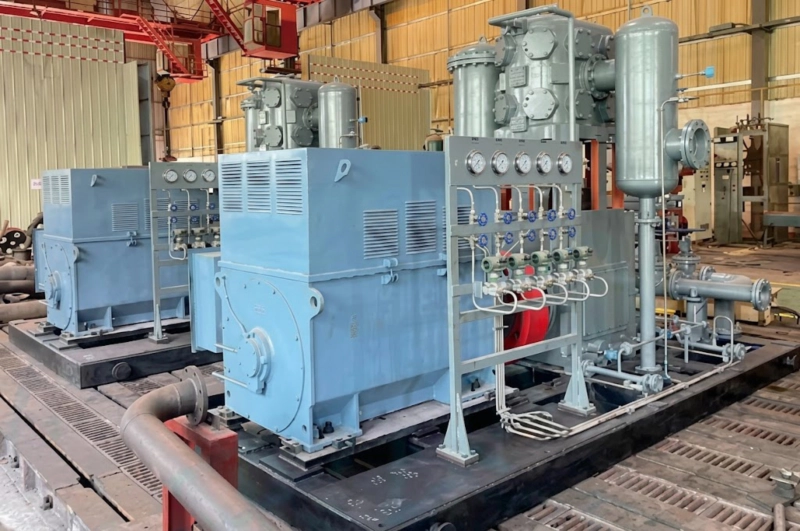
Figure 1: A heavy-duty API-618 100% oil-free reciprocating compressor, structurally engineered to eliminate crankcase oil migration into high-pressure hydrogen process streams.
1. The Micro-Chemistry of Catalyst Poisoning
To comprehend the severity of the threat, we must examine the internal mechanics of a hydrocracking reactor. These vessels rely on catalyst beds infused with rare noble metals—typically Platinum (Pt), Palladium (Pd), or specialized Nickel-Molybdenum (NiMo) alloys. These metals possess highly reactive “active sites” at the molecular level, which facilitate the necessary chemical reactions (like stripping sulfur from crude oil) without being consumed in the process.
When a conventional lubricated or “semi-lubricated” compressor pushes hydrogen into the reactor, it inevitably carries trace amounts of heavy hydrocarbon lubricating oil. Once these oil droplets or vapors enter the high-temperature environment of the reactor bed (often exceeding 400°C), they undergo rapid thermal cracking. This causes severe physical fouling (coking).
Simultaneously, elements found in heavy compressor oils (such as sulfur, zinc, and phosphorus from anti-wear additives) undergo chemisorption. They chemically bond to the platinum or palladium active sites with a stronger affinity than the intended reactant gas. This process is highly irreversible. The active sites become permanently “blinded,” drastically plummeting the reactor’s conversion efficiency and forcing the entire chemical process to a grinding halt.
2. The Financial Avalanche: Calculating the True Cost
The decision to save initial CAPEX by purchasing a lubricated compressor with downstream filters—rather than a true Class 0 oil-free API-618 machine—is one of the most financially devastating mistakes an EPC or plant operator can make.
When a catalyst bed is poisoned by compressor oil, the financial avalanche occurs in three distinct, compounding phases:
- Phase 1: Decreased Yield and Product Rejection. Before total failure, the poisoned catalyst begins producing off-spec product. For days or weeks, the refinery produces diesel or jet fuel that fails strict environmental sulfur regulations, requiring expensive reprocessing.
- Phase 2: The Catalyst Replacement Cost. Noble metal catalysts are exorbitantly expensive. Completely replacing a ruined bed in a commercial-scale HDS unit can easily cost between $2,000,000 to $5,000,000 USD in raw material alone, entirely obliterating any CAPEX savings gained from buying a cheaper compressor.
- Phase 3: Unplanned Downtime. This is the true killer. Shutting down a hydrocracker, safely purging the explosive hydrogen, physically extracting the coked catalyst, and reloading the vessel takes weeks. For a modern mega-refinery, unplanned downtime can result in lost production revenues exceeding $1,000,000 per day.
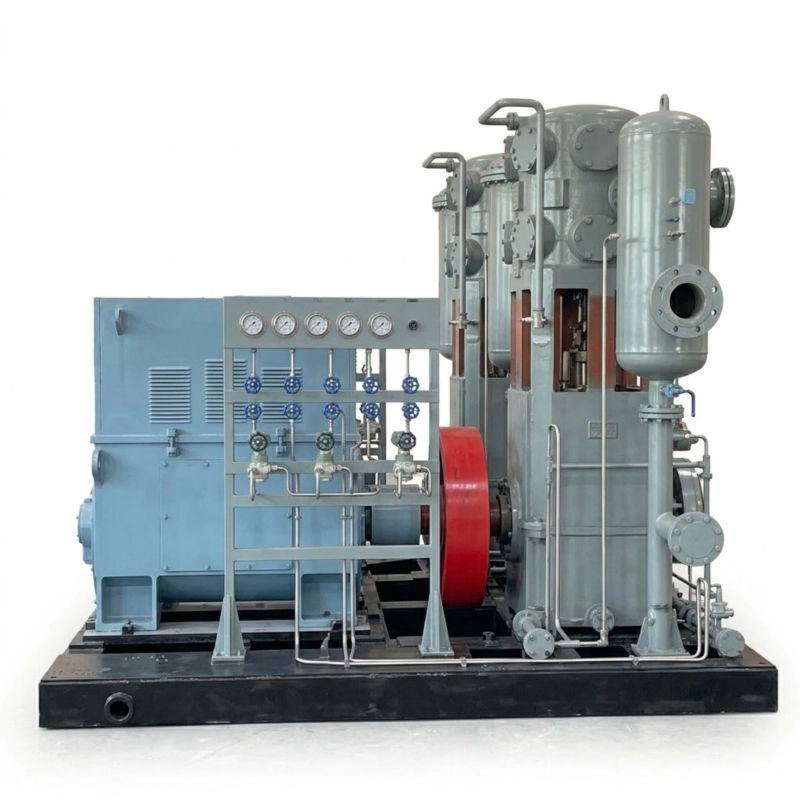
Figure 2: Precision-machined dry-running cylinders utilizing advanced PTFE rider rings. By eliminating liquid lubrication inside the compression chamber, catalyst poisoning is structurally prevented.
The Myth of Downstream Filtration
“A common engineering fallacy is assuming that multi-stage coalescing filters and activated carbon beds can clean a lubricated compressor’s output sufficiently. At 55-bar and elevated discharge temperatures, up to 40% of the oil carryover exists in the vapor phase. Coalescing filters cannot catch vapors. The vapor bypasses the filter, enters the reactor, condenses, and destroys the catalyst. Purity must be generated at the source, not filtered as an afterthought.”
3. Engineering Absolute Isolation: True API-618 Architecture
To guarantee the preservation of the chemical reactor, the compressor must be designed with an absolute, physical, and thermodynamic barrier between the lubricating oil of the crankcase and the pure hydrogen in the compression cylinder. This is where uncompromising API-618 engineering becomes critical.
In our high-pressure reciprocating units, the traditional oil film inside the cylinder is entirely replaced by self-lubricating, non-metallic composite materials. We utilize proprietary blends of PTFE (Polytetrafluoroethylene) internally reinforced with highly specialized fillers. These piston rings and rider bands transfer an ultra-thin, frictionless film onto the forged 316L stainless steel cylinder liner, allowing continuous, high-speed movement without a single drop of hydrocarbon oil.
Furthermore, to prevent crankcase oil from creeping up the reciprocating piston rod, we mandate the use of an API-618 Type-C or Type-D Extra-Long Distance Piece. The distance piece is an elongated separation chamber. In a Type-C configuration, the physical length of the chamber is strictly longer than the complete stroke length of the compressor. This geometric rule mathematically guarantees that no portion of the wetted rod entering the pure gas cylinder has ever touched the oily crankcase wiper seals.
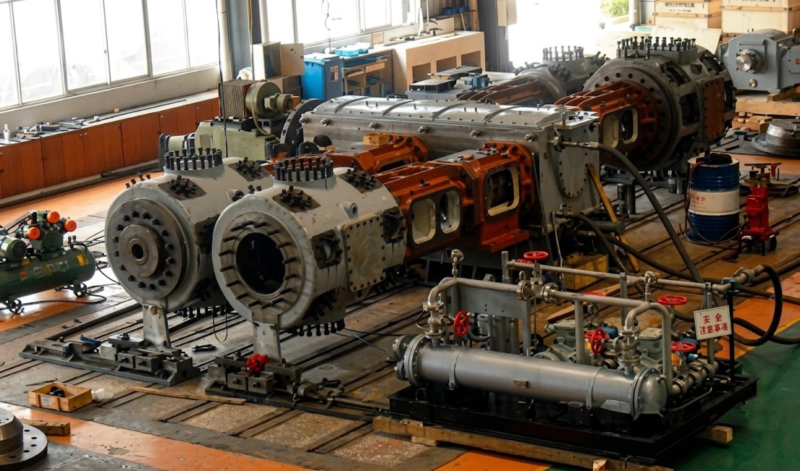
Figure 3: Rigorous Factory Acceptance Testing (FAT) validates the thermodynamic stability of the dry-running cylinders, proving absolute ISO 8573-1 Class 0 purity before the unit is shipped to the refinery.
4. Cross-Industry Synergies: The Universal Demand for Class 0 Dynamics
While the catastrophic financial risks of catalyst poisoning are highly specific to the petrochemical and synthetic fuel sectors, the strict engineering demand for absolute high-pressure oil-free dynamics spans far beyond the refinery fence line. The food packaging, pharmaceutical, and high-end medical device manufacturing industries face identical mechanical challenges regarding continuous-duty purity.
Consider the production of sterile pharmaceutical vials or pristine medical-grade IV containers. These advanced manufacturing facilities operate relentless pneumatic machinery that requires massive, instantaneous pulses of high-pressure, totally pure compressed air. Driving a modern, high-speed injection blow molding machine strictly demands up to 40-bar of Class 0, 100% oil-free air.
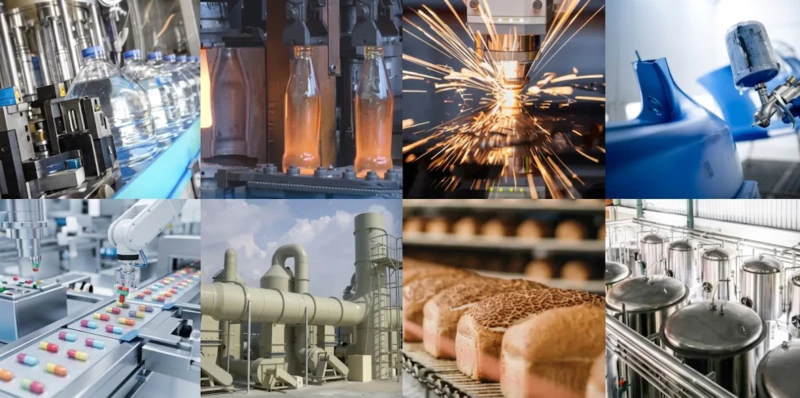
Figure 4: The exact same oil-free structural architecture designed to protect refinery catalysts is deployed globally to safeguard clean-room medical plastics and sensitive pneumatic processes.
If even a microscopic aerosol fraction of crankcase oil vapor bypasses a standard compressor’s sealing rings and enters the pneumatic blow molding system, the heated oil embeds itself directly into the molten polymer. The entire production batch of medical-grade plastics becomes critically contaminated, failing FDA/CE quality control, resulting in massive financial write-offs. The design synergies are absolute: whether protecting a $5 million platinum catalyst bed or a clean-room medical plastics run, true Class 0 oil-free engineering is the only acceptable solution.
5. The EPC Procurement Checklist for Process Compressors
When EPC total contractors and project managers specify equipment for critical hydrogen loops, protecting the immense CAPEX investment of the reactor requires strict adherence to uncompromising international standards. We recommend ensuring your vendor can unequivocally meet the following criteria before awarding any contract:
- ☑
API-618 Type-C or Type-D Architecture: The stroke length must be mathematically shorter than the distance piece. Demand visual inspection ports and active inert nitrogen purging systems to prevent any explosive gas migration. - ☑
ISO 8573-1 Class 0 Certification: Do not accept “technically oil-free” claims based on downstream filters. The physical compression chamber must operate completely dry via advanced PTFE tribology. - ☑
Oil Slinger Rings & Crosshead Deflectors: The reciprocating piston rod must be equipped with strategically designed mechanical oil slinger rings located on the crosshead side of the distance piece to physically deflect any splashing crankcase oil. - ☑
NACE MR0175 Compliance: For process streams containing H₂S (sour gas), strictly verify that all metallurgical hardness testing and heat treatments adhere to NACE guidelines to prevent sulfide stress cracking alongside preventing contamination.
By enforcing strict API-618 standards and dictating absolute physical separation between the lubrication and compression zones, facility operators can permanently eradicate the risk of catalyst poisoning. The result is continuous, high-yield production, maximum catalyst lifespan, and total operational peace of mind.
Protect Your Reactor. Command Total Gas Purity.
Our elite engineering team specializes in designing, manufacturing, and strictly testing 100% absolute oil-free, API-618 reciprocating compressors. Tailored specifically for extreme high-pressure hydrocracking, green hydrogen, and sensitive chemical applications. Do not gamble your facility’s most expensive assets on inferior mechanics.