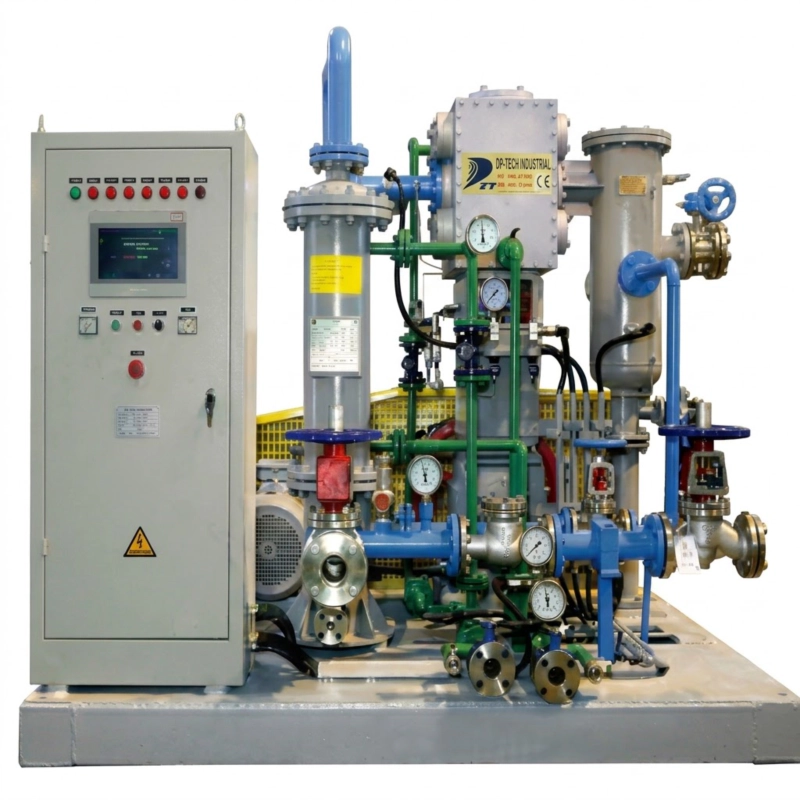
ZW-2.5/3 Oil-Free Oxygen / Nitrogen Compressor
ZW-2.5/3 100% oil-free oxygen & nitrogen compressor (2.5 Nm³/min, 30 bar). Ideal for hospital PSA systems and industrial pipelines. API618 compliant.
1. Product Overview & Core Engineering Value
The ZW-2.5/3 Oil-Free Oxygen / Nitrogen Compressor represents the pinnacle of modern gas compression engineering. Designed as a purely oil-free reciprocating piston compressor, this robust unit is specifically engineered to deliver a continuous and stable 2.5 Nm³/min of highly compressed gas at a rigorous 3 MPa (30 bar) discharge pressure. Developed through decades of thermodynamic research and metallurgical advancement, our compressor serves as an uncompromising, highly cost-effective, and performance-driven drop-in replacement for expensive legacy European and American brands. By upgrading to our proprietary compression technology, industrial and medical facilities achieve identical or superior thermodynamic reliability, drastically reduced lead times, and a significantly lower Total Cost of Ownership (TCO).
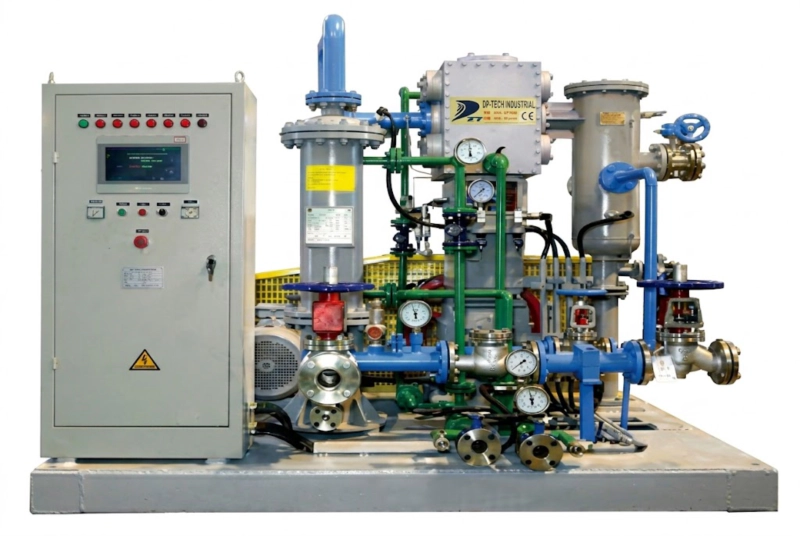
Figure 1: ZW-2.5/3 Oil-Free Oxygen Compressor Main Assembly – Engineered for 24/7 continuous duty.
Applicable Industries at a Glance:
- Medical & Healthcare Sectors: Essential for hospital central oxygen supply pipelines, emergency trauma centers, and medical PSA oxygen generator downstream boosting. Ensures 100% breathable, uncontaminated oxygen.
- Industrial Gas & Air Separation: Provides downstream compression for small-to-medium cryogenic air separation units (ASU) and VPSA/PSA plants, ensuring efficient bottling and pipeline distribution.
- Chemical & Petrochemical Industries: Ideal for high-pressure nitrogen blanketing, critical oxidation process gas feeding, and maintaining pure instrument air networks.
- Laboratory & Advanced Research: Supplies high-purity, continuous oxygen and nitrogen flows for sensitive research facilities, aerospace testing, and metallurgical laboratories.
Summary of Core Technical Advantages:
Our proprietary compressor system is engineered strictly to comply with the exacting API618 industrial standards and EIGA IGC 10/07/E safety regulations for oxygen service. The ZW-2.5/3 guarantees 100% oil-free compression through the utilization of aerospace-grade, self-lubricating PTFE composite piston rings. This fundamental design ensures absolute zero hydrocarbon contamination in the gas stream—a critical requirement to prevent auto-ignition in oxygen-rich environments. Furthermore, its highly compact Z-type vertical frame saves invaluable facility floor space. Coupled with customizable water-cooled or air-cooled thermal management configurations, this machine is built to endure 24/7 non-stop operation even in the harshest ambient conditions, from the freezing climates of Siberia to high-altitude industrial zones.
2. Comprehensive Technical Specifications
To facilitate precision engineering and seamless integration into your existing infrastructure, we provide the complete standard technical parameters for the ZW-2.5/3 model below. Our engineering team also accommodates bespoke custom configurations tailored to specific inlet pressures, altitudes, and electrical grid requirements upon comprehensive evaluation.
| Technical Parameter | Value / Specification |
|---|---|
| Model Designation | ZW-2.5/3 (Vertical Oil-Free Series) |
| Compression Medium | Oxygen (O₂), Nitrogen (N₂), High-Purity Mixed Air |
| Volume Flow Rate (Capacity) | 2.5 Nm³/min (equivalent to 150 Nm³/hour) |
| Suction / Inlet Pressure Range | Atmospheric (0 MPa) up to 0.4 MPa (Configurable to PSA output) |
| Target Discharge Pressure | 3.0 MPa (30 bar / approx. 435 psi) |
| Frame Architecture | Z-Type (Vertical, Compact footprint optimization) |
| Lubrication Methodology | 100% Oil-Free (Utilizing advanced self-lubricating PTFE composite seals) |
| Thermal Management System | High-Efficiency Water-Cooled (Air-Cooled variants available for specific N₂ applications) |
| Motor Power (Nominal) | 18.5 kW – 22 kW (Dynamically sized based on precise site inlet conditions) |
| Rotational Speed (RPM) | Low-speed design (Typically < 400 RPM for extended component lifespan) |
| Operating & Safety Compliance | API618, EIGA IGC 10/07/E, ISO 9001, CE Certified |
Note: The above parameters represent our standardized ZW-2.5/3 model. Real-world performance may vary slightly based on actual ambient temperatures, altitude above sea level, and precise inlet gas purity. Please consult our technical department for a verified performance curve.
3. Structural Composition & Thermodynamic Working Principle
To fully appreciate the reliability of our compressor, one must understand its internal mechanics. The ZW-2.5/3 operates on the time-tested fundamental principles of positive displacement via reciprocating piston dynamics. Structurally, the machine is anchored by a massive, vibration-dampening heavy-duty cast-iron crankcase. Inside, a precision-forged steel crankshaft translates rotary motion from the electric motor into linear motion via heavy-duty connecting rods and crossheads. This linear motion drives the pistons within our highly polished, medical-grade stainless-steel gas compression cylinders.
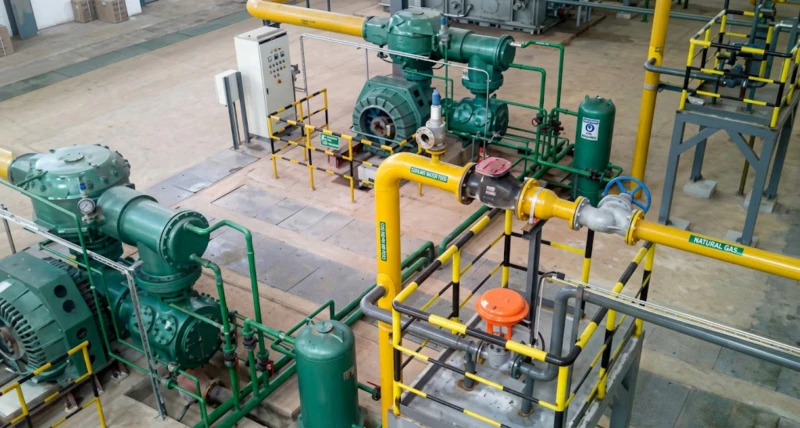
Figure 2: Real-world operational deployment demonstrating the robust structural integrity and piping layout.
The Multi-Stage Thermodynamic Cycle
The compression process is a carefully orchestrated sequence designed to maximize volumetric efficiency while keeping gas temperatures strictly within safe limits:
- Phase 1: Gas Suction (Induction): As the piston travels downward on its intake stroke, an internal pressure differential (vacuum) is created within the cylinder. The highly responsive, precision-machined stainless-steel intake valve opens instantly, drawing pure oxygen or nitrogen from the upstream PSA generator or pipeline directly into the compression cavity.
- Phase 2: Isothermal Compression: Reaching bottom dead center, the crankshaft reverses the piston’s direction, initiating the upward stroke. The inlet valve snaps shut securely. As the internal volume of the cylinder decreases rapidly, the gas pressure rises exponentially according to Boyle’s Law. During this violent phase, our specialized carbon-filled PTFE rings ensure a microscopic, airtight seal against the cylinder wall, compressing the gas without a single drop of liquid lubricating oil.
- Phase 3: Discharge & Inter-stage Cooling: Once the internal cylinder pressure overcomes the resistance of the discharge valve spring, the hot, highly compressed gas is violently expelled. However, compressing gas inherently generates massive thermal energy. To mitigate this, the gas is immediately routed into a highly efficient, water-cooled shell-and-tube heat exchanger. This critical inter-cooling phase instantly strips the heat away, lowering the gas volume and temperature before it either enters the next compression stage or is safely discharged into the final pipeline or storage manifold.
4. Five Core Competitive Advantages
Engineered from the ground up for uncompromising industrial longevity and operator safety, our ZW-2.5/3 brings exceptional value to high-stakes gas compression environments. We do not just build machinery; we engineer continuous peace of mind.
Absolute 100% Oil-Free Certification
Safety in oxygen compression is non-negotiable. This unit utilizes aerospace-grade, self-lubricating PTFE composite piston rings and guide rings. The gas compression pathway is entirely isolated from the oil-lubricated crankcase via a highly engineered elongated distance piece and specialized oil-wiper seals. This physical barrier guarantees zero hydrocarbon cross-contamination, ensuring absolute compliance with EIGA medical oxygen safety directives.
Space-Saving Z-Type Vertical Frame
Industrial real estate is expensive, and containerized systems demand extreme spatial efficiency. The vertical Z-type design radically reduces the horizontal footprint of the compressor unit. This verticality is particularly advantageous for retrofitting into existing, cramped hospital utility rooms or integrating seamlessly into standard ISO 20ft or 40ft containerized mobile PSA oxygen generation systems.
Low RPM & Extended Component Life
Speed kills kinetic machinery. By operating at a conservatively low rotational speed—typically well under 400 RPM—the frictional heat, vibration, and mechanical wear and tear on kinetic components are minimized. This design philosophy drastically extends the maintenance intervals for highly stressed parts like compressor valves, springs, and PTFE piston rings compared to high-speed, direct-drive alternatives.
Intelligent PLC Monitoring System
Welcome to Industry 4.0. The unit is equipped with a state-of-the-art intelligent PLC panel (featuring premium global components like Siemens or ABB, available in bilingual EN/RU interfaces). The software features automated, multi-tiered shutdown protocols that instantly react to high discharge temperatures, low intake pressures, oil pressure drops in the crankcase, and electrical phase faults, ensuring 100% unmanned operational safety.
Highly Efficient Thermal Management
Heat is the enemy of compression efficiency and safety. The custom-engineered, oversized water-cooling jackets enveloping the cylinders, combined with the heavy-duty inter-stage shell-and-tube coolers, guarantee unmatched thermal dissipation. This ensures that the oxygen discharge temperature remains strictly within the safety threshold (typically below 130°C), eliminating any risk of auto-ignition in the high-pressure oxygen-rich environment.
5. Premium Material Craftsmanship & Metallurgy
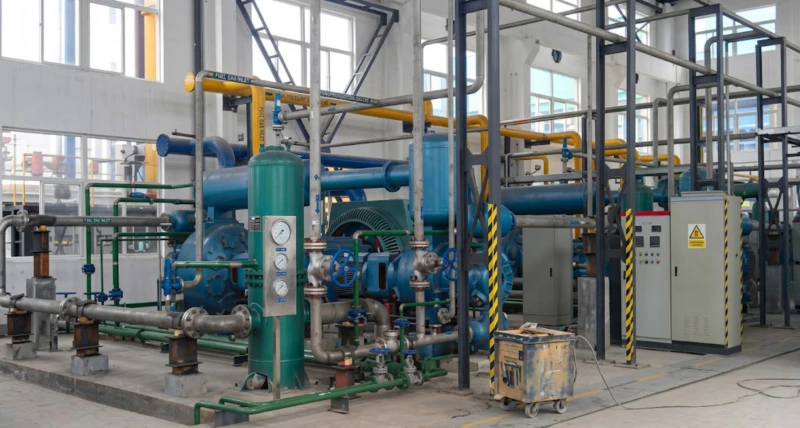
Figure 3: Close-up of the robust structural design and high-grade stainless steel piping components.
Compressing pure, bone-dry oxygen to 3 MPa (30 bar) is an extreme environment that demands stringent metallurgical discipline. Any compromise in material quality can lead to rapid oxidation, catastrophic component failure, or safety hazards. Our proprietary oil-free reciprocating compressor incorporates the following advanced material technologies to ensure decades of flawless operation:
- Advanced Gas Cylinders: The cylinders handling the compression are forged from high-grade 304 or 316L stainless steel. The internal bores undergo precision CNC honing to achieve a mirror-like micro-finish. This exceptional surface smoothness drastically reduces friction against the piston rings and provides absolute immunity to the aggressive oxidation and pitting corrosion commonly caused by residual moisture in the gas stream.
- Piston Rings & Guide Packing: Fabricated from a highly specialized, proprietary blend of carbon-filled Polytetrafluoroethylene (PTFE) and reinforcing fibers. This unique material matrix provides an incredibly low coefficient of friction and outstanding thermal stability. As the rings operate, they deposit a microscopic layer of PTFE onto the cylinder walls, forming a perfect self-lubricating seal that outlasts standard Teflon designs by thousands of hours.
- High-Dynamic Compressor Valves: The heart of the volumetric efficiency lies in the valves. We equip our units with precision-machined PEEK (Polyether ether ketone) or high-grade stainless-steel valve plates. These are designed using advanced fluid dynamics software for rapid actuation response and high flow coefficients, thereby minimizing aerodynamic pressure drops, preventing valve flutter, and maximizing overall compressor throughput.
- Crankcase & Baseplate Assembly: The foundational elements are poured from premium heavy-duty nodular cast iron. After casting, the blocks are subjected to rigorous thermal stress-relief annealing before being precisely CNC-machined. This massive, rigid foundation absorbs and eliminates microscopic kinetic vibrations, anchoring the entire machine securely to the floor for decades of reliable, quiet use.
6. Typical Application Scenarios & Advanced Industry Use Cases
Our gas compression systems are trusted across a multitude of high-demand sectors. Below are the primary deployment scenarios demonstrating the versatility and critical importance of the ZW-2.5/3.
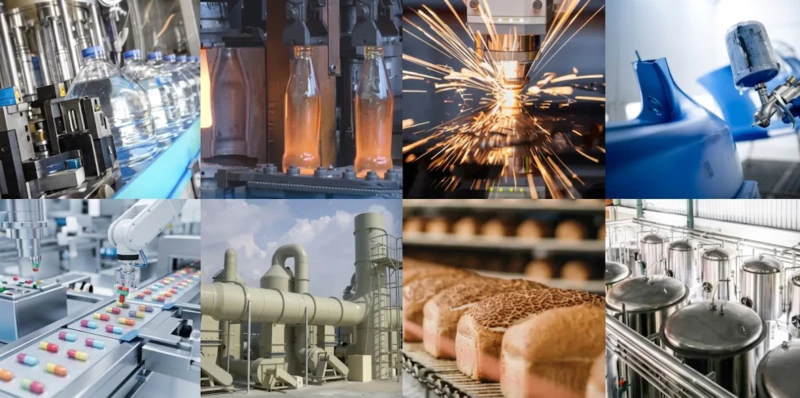
Figure 4: Industrial deployment of multi-stage compressors in a high-demand gas production facility.
Scenario A: Hospital PSA Oxygen Pipeline Systems
Context & Principle: Modern medical facilities globally are rapidly transitioning away from expensive, logistically complex liquid oxygen Dewars to highly autonomous, on-site PSA (Pressure Swing Adsorption) oxygen generators. However, the inherent physical limitation of PSA generators is that they output oxygen at relatively low pressures (usually between 0.3 and 0.5 MPa). The ZW-2.5/3 acts as the critical bridge in this infrastructure. It takes this low-pressure, medical-grade oxygen directly from the PSA buffer tank and compresses it safely to 3 MPa. This high pressure is required to effectively feed sprawling central hospital ring mains, reach upper floors, or charge emergency backup cylinder manifolds. Its strictly 100% oil-free nature guarantees that the oxygen delivered to vulnerable patients remains perfectly pure and free of toxic hydrocarbons.
Scenario B: Medical & Pharmaceutical Packaging (Cross-Industry Integration)
Context & Principle: Beyond directly supplying breathable oxygen, ultra-pure compressed nitrogen and high-grade compressed air are absolutely essential in modern pharmaceutical manufacturing, particularly for sterile packaging applications. For medical facilities and independent factories producing their own medical-grade plastic packaging (such as sterile pharmaceutical pill bottles, eye-drop containers, or IV fluid bags), we support the entire production ecosystem. For instance, our pure gas compression systems perfectly complement advanced plastic manufacturing equipment, such as the blow molding machine utilized for creating flawless, sterile plastic cavities. The high-purity, oil-free compressed nitrogen generated by our compressors is frequently utilized as the critical sterile blowing medium inside these blow molding systems. This integration ensures that the internal surfaces of the medical containers remain completely free of bacterial contamination, moisture, and hydrocarbon residues during the intense plastic forming and cooling process, meeting stringent FDA and CE medical packaging standards.
Scenario C: Industrial Metallurgy & Oxygen-Enriched Combustion
Context & Principle: In mid-sized steel mills, non-ferrous smelting operations, and large-scale glass manufacturing plants, the implementation of oxygen-enriched combustion technologies significantly reduces fossil fuel consumption, dramatically raises furnace temperatures, and drastically lowers greenhouse gas emissions. The ZW-2.5/3 plays a pivotal role here by taking oxygen generated from a local air separation unit (ASU) and boosting it to the precise, stable burner pressure required by the advanced furnace nozzles. This ensures a steady, high-velocity, and flawlessly safe flow of oxidizer to the combustion zone, optimizing the metallurgical melt rate.
7. Expert Technical Selection & Sizing Guide
Selecting the correct oil-free compressor is paramount for maximizing system efficiency, preventing costly bottlenecks, and ensuring decades of safe operation. When preparing to request a technical quote for the ZW-2.5/3, or when exploring our broader portfolio of custom engineered oil-free reciprocating compressors, please compile and confirm the following site-specific parameters with our senior procurement engineers:
- 1. Exact Inlet Pressure Range (Min/Max):
PSA oxygen systems naturally fluctuate in output pressure based on their adsorption cycles. You must precisely confirm your minimum and maximum available inlet pressure (e.g., oscillating between 0.3 MPa and 0.45 MPa). This data is critical for our engineers to mathematically size the swept volume of the first-stage compression cylinder to prevent gas starvation or overloading. - 2. Absolute Target Discharge Pressure:
Do you strictly require 3 MPa (30 bar) for a direct pipeline feed, or are you ultimately aiming to fill high-pressure storage cylinders at 150 bar or 200 bar? Specifying a compressor that over-pressurizes gas wastes massive amounts of electrical energy, while under-pressurizing will cripple your downstream industrial or medical processes. - 3. Real-World Environmental Conditions (Altitude & Ambient Temp):
Compressor thermodynamics change drastically based on environment. Units installed in high-altitude regions (such as mountainous mining zones in Central Asia or the Andes) suffer from thinner air, requiring volumetric derating calculations. Conversely, installations in extreme cold environments (like Siberian winters) require specialized winterized cooling fluids and crankcase heaters to prevent fluid crystallization. - 4. Regional Electrical Grid Standards:
Please confirm your local industrial voltage and frequency (e.g., 380V/50Hz for most of Asia/Europe, or 440V/60Hz for parts of the Americas and Middle East). We custom-wind our electric motors and configure the PLC electronics to perfectly match your specific grid stability requirements, protecting the machine from brownouts and phase imbalances.
8. Strategic Value Comparison: Our Proprietary Technology vs. Legacy Western Brands
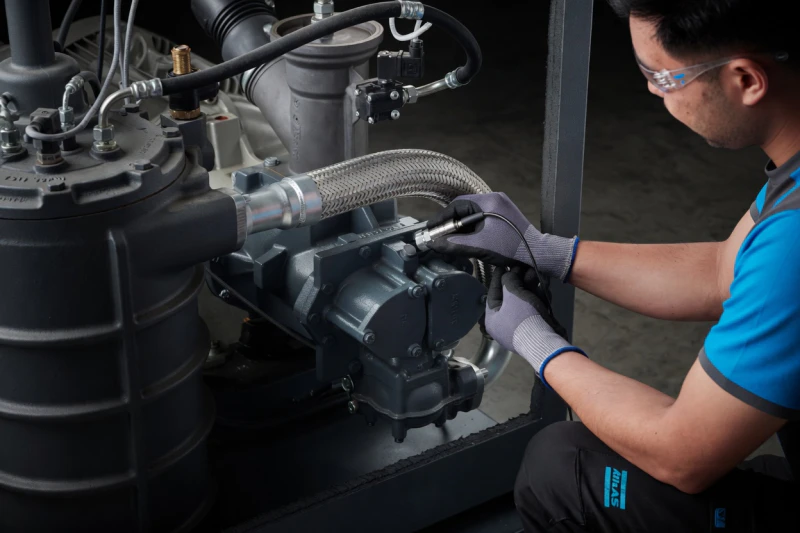
Figure 5: Easy access to wear parts ensures rapid maintenance and lowers overall OPEX compared to legacy brands.
Savvy engineering directors and global procurement managers are increasingly seeking robust, heavy-duty alternatives to historically dominant western brands—refusing to compromise on safety or volumetric performance, while rejecting artificially inflated brand premiums. Here is exactly why our proprietary ZW-2.5/3 model is rapidly gaining major market share in international medical and industrial gas sectors:
| Critical Evaluation Metric | Our Proprietary Compressors (ZW-2.5/3) | Typical Legacy Premium Brands |
|---|---|---|
| Capital Expenditure (CAPEX) | Highly Competitive (Exceptional ROI and fast payback period) | Extremely High Brand Premium (Often 3x to 5x higher base cost) |
| Manufacturing Lead Time | 45 – 60 Days standard production | 6 – 10 Months (Causing massive project delays) |
| Spare Parts Cost (OPEX) | Affordable, fair-priced direct factory supply without intermediaries | Exorbitantly expensive, subjected to massive regional distributor markups |
| Engineering Customization | High Agility (Tailored PLCs, bespoke voltages, customized skid dimensions) | Rigid, highly standardized catalogue with limited bespoke flexibility |
| Core Oil-Free Technology | 100% Oil-Free PTFE Reciprocating Sealing | 100% Oil-Free PTFE Reciprocating Sealing |
9. Comprehensive Technical FAQ
Review the most common, deep-dive technical questions our senior engineering team receives regarding the deployment and maintenance of the ZW-2.5/3 oil-free oxygen compressor.
1. What is the scientifically determined standard maintenance interval for the ZW-2.5/3?
Under standard, clean-air operating conditions within specified ambient temperatures, routine inspection and potential replacement of the PTFE piston rings and guide rings is recommended every 4,000 to 6,000 working hours. The robust stainless-steel compressor valves typically exhibit exceptional longevity and require servicing or plate replacement every 8,000 hours of continuous operation.
2. Can this specific compressor architecture handle both Oxygen and Nitrogen interchangeably?
Yes. Due to the utilization of highly inert, oxidation-resistant 304/316L stainless steel internals and a completely oil-free friction design, the ZW-2.5/3 is metallurgically perfectly suitable for compressing pure oxygen, pure nitrogen, or a mixed gas matrix. Operators must simply ensure the system is properly and thoroughly purged with inert gas between major gas changeovers to prevent cross-contamination.
3. How does the thermodynamic water-cooling system function in practice?
The compressor acts as a heat-generating engine and utilizes an external water supply (provided by the client’s site chiller, cooling tower, or municipal water). This cooling water is continuously pumped through integrated cast jackets surrounding the cylinders and through dedicated inter-stage shell-and-tube heat exchangers. This rapidly strips thermal energy away, drastically lowering the gas temperature between compression stages to ensure it never approaches the auto-ignition threshold of oxygen.
4. Is it completely and verifiably safe to compress 100% pure medical oxygen?
Absolutely. Safety is our primary engineering mandate. During final assembly, the machine undergoes a meticulous, multi-step degreasing protocol using specialized industrial solvents. Furthermore, all internal components coming into direct contact with the gas stream are manufactured to be completely devoid of hydrocarbons. This eliminates the “fuel” aspect of the fire triangle, thereby nullifying the risk of oxygen combustion. The unit is fully EIGA IGC 10/07/E compliant for critical oxygen service.
5. What is the expected acoustic/noise footprint during 24/7 continuous operation?
Because we engineer our compressors around a low-speed reciprocating philosophy (under 400 RPM) and utilize a massively heavy, vibration-absorbing cast crankcase, the operational noise level is exceptionally well-controlled—generally maintained below 78 dB(A) measured at a distance of 1 meter. For strictly regulated environments like inner-city hospital basements, we offer custom-engineered, sound-dampening acoustic enclosures.
6. Does your company provide international installation and commissioning support?
Yes. We pride ourselves on global support. We provide comprehensive, highly detailed bilingual (English/Russian) technical documentation, digital installation schematics, step-by-step video manuals, and live remote video engineering support via WhatsApp/WeChat during your commissioning phase. For major international turnkey projects, on-site dispatch of our senior engineers can be arranged.
7. How long is the standard manufacturing lead time before shipment?
Our standard, highly optimized production cycle for the ZW-2.5/3 model requires approximately 45 to 60 days from order confirmation to factory testing completion. Subsequent shipping logistics to international destinations (like Russia and the broader CIS region) typically add an additional 15 to 30 days depending on whether the chosen transport modality is direct rail freight or maritime shipping.
8. Are vital spare parts readily available for procurement in the international market?
Absolutely. We maintain a massive, dedicated inventory of all standard consumables (such as custom PTFE rings, valve assemblies, and high-pressure gaskets) at our central facility. To guarantee absolute zero downtime, we strongly recommend that international clients purchase our standardized “2-Year Operational Spare Parts Kit” simultaneously with the main compressor unit, eliminating any future international shipping delays during critical maintenance windows.
9. Can this specific model directly and seamlessly replace my aging legacy western unit?
Yes, it is routinely and highly successfully utilized as a direct, drop-in retrofit by our global clients. By matching your required volumetric flow rate (2.5 Nm³/min) and target discharge pressure (3 MPa), our engineering team ensures that our unit can tie seamlessly into your existing piping infrastructure, electrical switchgear, and higher-level DCS/PLC control networks without requiring massive facility overhauls.
10. Does the compressor machine come fully equipped with an automatic control panel?
Yes, the compressor is delivered as a comprehensive, turnkey skid package. This includes an advanced, highly intelligent PLC control panel (featuring top-tier global components from Siemens, Schneider, or ABB). This digital brain continuously monitors critical pressures, multi-stage temperatures, and motor electrical loads in real-time, executing automated startups, unloading, and emergency shutdowns, thereby enabling completely safe, autonomous, unmanned operation.
Ready to Upgrade Your Industrial Gas Compression Infrastructure?
Stop overpaying for inflated premium brand names while simultaneously sacrificing your project timelines to unacceptable lead times. Our proprietary ZW-2.5/3 Oil-Free Oxygen Compressor delivers world-class, E-E-A-T validated thermodynamic performance, strictly backed by decades of relentless manufacturing excellence. Secure a highly reliable, 24/7 continuous, and guaranteed 100% oil-free gas supply for your critical medical or industrial operations today.
Request a Comprehensive Technical Quote Today
Our dedicated team of senior procurement engineers will analyze your specifications and respond within 24 hours with complete bilingual (EN/RU) technical documentation, pricing, and customized CAD layout drawings.